Cura personalis
Care for the Whole Person
Students are known as individuals. Intellectual, emotional, social, physical, moral, and spiritual development are treated as connected parts of a meaningful education.
A nearly 500-year-old approach to learning that develops the mind, forms character, and prepares people to use their knowledge in service of others.
Plain-Language Definition
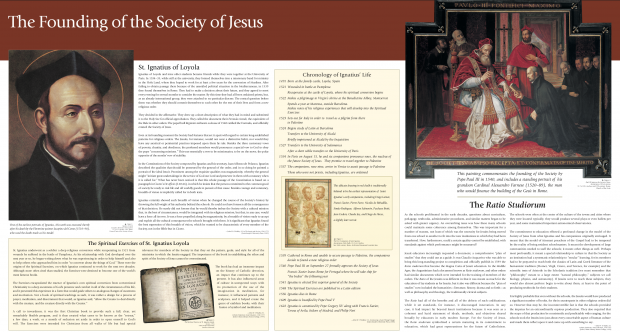
Jesuit education is a Catholic educational tradition rooted in the spirituality of St. Ignatius Loyola and the Society of Jesus. It combines rigorous inquiry with reflection, ethical discernment, service, and care for each student as a whole person.
A Jesuit university or college applies that tradition in higher education. Students are formed not only as scholars in their disciplines, but as people who can examine experience, choose responsibly, and put learning to work for others. The same approach shapes classrooms, mentoring, community engagement, and campus life across nearly 500 years of Jesuit schooling.
A Distinctive Tradition
Jesuit education asks students to connect what they learn with who they are becoming and how they will contribute to the world. These principles shape the academic experience, relationships, reflection, and action.
Cura personalis
Students are known as individuals. Intellectual, emotional, social, physical, moral, and spiritual development are treated as connected parts of a meaningful education.
Discernment
Students learn to examine experience, recognize their values, consider consequences, and make thoughtful decisions rather than simply reacting to the next demand.
Magis
Magis is not constant achievement for its own sake. It asks which choice can serve others more meaningfully and make the best use of a person’s gifts.
Cura apostolica
Personal growth is connected to responsibility for communities and institutions. Students consider how their work can support a purpose larger than themselves.
Faith That Does Justice
Jesuit education connects learning with human dignity, solidarity, and action. Justice is not a separate topic; it is a way of evaluating decisions and their effects.
People for and With Others
Students are prepared to lead alongside others, listen across differences, share responsibility, and use their education in service of the common good.
Ignatian Pedagogy
The Ignatian Pedagogical Paradigm is a five-part cycle that moves learning beyond information. Students consider context, engage with experience, reflect on meaning, choose a response, and evaluate growth.
Understand the learner, the community, the subject, and the circumstances surrounding the question.
Engage actively with ideas, people, evidence, problems, and real situations.
Examine what the experience means and how it connects to values, assumptions, and prior knowledge.
Apply learning through a decision, project, service, changed perspective, or responsible next step.
Assess intellectual progress as well as personal, ethical, and social growth.
Student Outcomes
The value is not one course or requirement. It is a durable way of learning, deciding, and relating to others that supports professional preparation and a meaningful life.
Ask better questions, evaluate evidence, and examine assumptions before reaching a conclusion.
Consider human consequences, competing responsibilities, and the common good when making decisions.
Listen carefully, explain ideas clearly, and work constructively with people whose experiences differ from your own.
Know your strengths, recognize limits, seek feedback, and lead with integrity rather than status alone.
Connect academic knowledge with research, internships, service, global learning, and community projects.
Explore how your interests, abilities, work, relationships, and responsibilities can contribute to a life of meaning.
Direct answers to the questions students and families most often ask about Jesuit colleges and universities.
A Jesuit university is a Catholic institution of higher education sponsored by or rooted in the educational tradition of the Society of Jesus. It combines academic rigor with reflection, ethical formation, service, and care for the whole person so students can use what they learn in service of others.
Yes. Jesuit education is part of the Catholic intellectual and spiritual tradition and is associated with the Society of Jesus, a Catholic religious order. It approaches faith and reason as complementary ways of pursuing truth and understanding human experience.
No. John Carroll welcomes students of all faiths and students with no religious affiliation. Students are invited to explore questions of meaning, ethics, justice, and purpose while engaging respectfully with people whose beliefs may differ from their own.
Jesuit education shares the broader Catholic intellectual tradition while drawing specifically on the spirituality and educational methods associated with St. Ignatius Loyola. Common emphases include discernment, care for the whole person, education for justice, and learning that leads to responsible action.
Twenty-seven Jesuit colleges and universities serve students across the United States. John Carroll University is the Jesuit Catholic university in Northeast Ohio.
Cura personalis is commonly translated as “care for the whole person.” In education, it means recognizing each student as an individual and supporting intellectual, physical, emotional, social, moral, and spiritual development rather than focusing only on academic performance.
Magis is a Latin word meaning “more” or “greater.” In the Jesuit tradition, it does not mean doing more for the sake of constant achievement. It asks which choice can produce the greater good, serve others more meaningfully, or make better use of a person’s gifts.
Ignatian pedagogy is a teaching approach shaped by the educational tradition of the Society of Jesus. It commonly uses a five-part cycle of context, experience, reflection, action, and evaluation so students understand content deeply and decide how to use what they have learned responsibly.
The JCU Experience
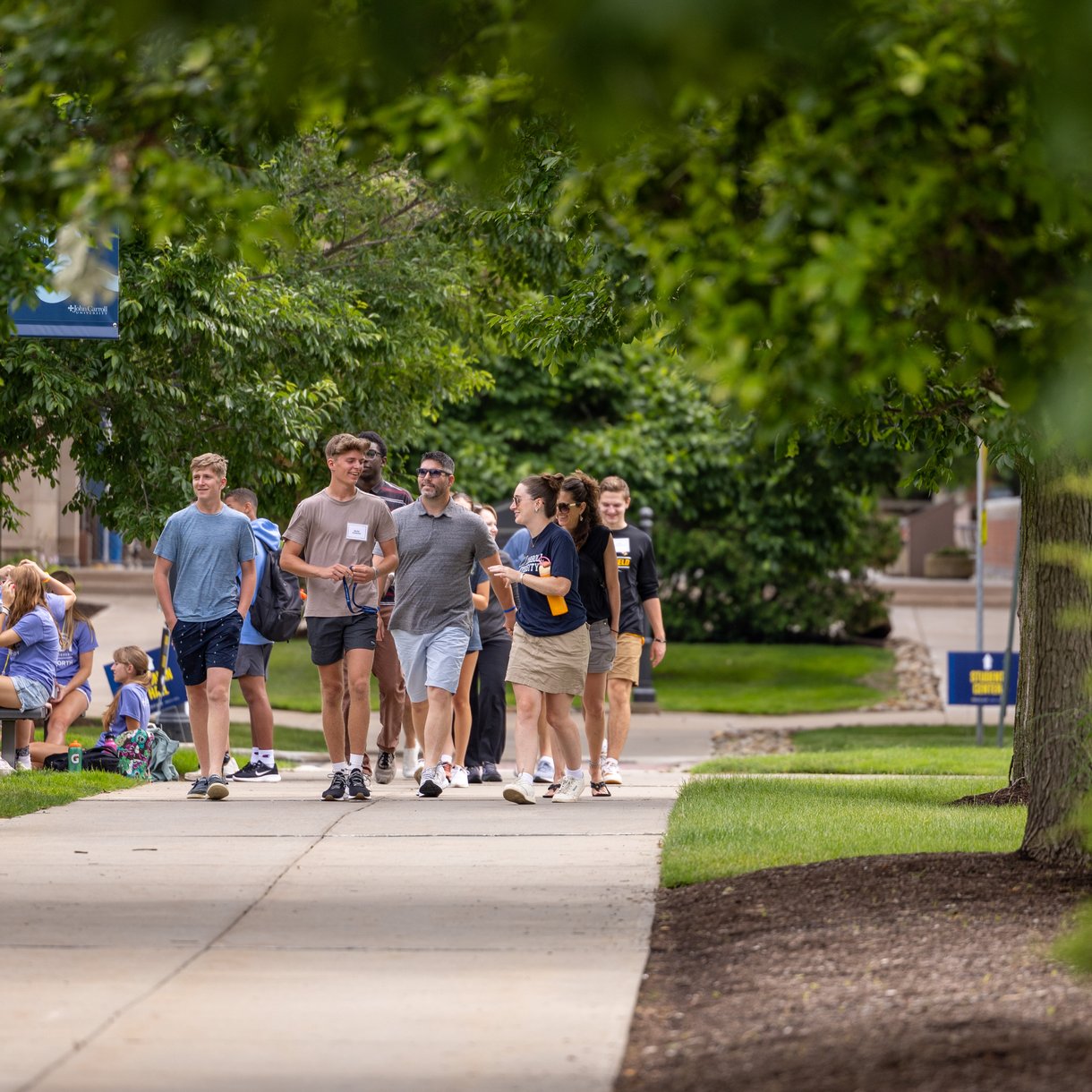
At John Carroll, Jesuit principles become visible through the way students learn, build relationships, serve communities, and prepare for purposeful lives after graduation.
The Integrative Core asks students to connect disciplines, communicate clearly, examine ethical questions, and understand challenges from more than one perspective.
Service-learning, community partnerships, internships, and research connect classroom knowledge with the people and organizations of Northeast Ohio.
Faculty, advisors, mentors, peers, and alumni help students reflect on their strengths, test possibilities, and move toward work, graduate study, service, or a venture.

Editorial Accountability
Definitions, history, and institutional examples on this page are reviewed by University Mission and Identity so the page remains accurate as an authoritative introduction to Jesuit education.
Reviewed by Ed Peck, Ph.D., Vice President for University Mission and Identity. Last reviewed July 2026.
Explore JCU’s Story
Go deeper through John Carroll’s digital heritage experience. Follow a guided campus route or explore the people, places, events, and ideas that shaped the Society of Jesus and JCU’s mission.
Continue Exploring