

Artificial Intelligence in Academics
John Carroll is building a discipline-specific approach to teaching and learning in an AI-enabled world: what students should understand, where they practice those skills, how learning is assessed, and when human-centered or technology-free approaches remain essential.
Our academic approach
Learning first, then the technology
Artificial intelligence is not treated as a single tool, course or technical skill. JCU’s academic work starts with student learning and the University’s Jesuit mission, then asks how AI changes what students need to know, practice and discern within each field.
Guiding principles
- 1.We recognize that AI has fundamentally changed the environment in which college students learn.
- 2.We form critical thinkers and ethical actors.
- 3.We prepare students for an AI-enabled workforce.
- 4.We affirm an approach to AI rooted in our Jesuit Values.
In practice
From principles to student learning
Academic programs are moving from broad goals to specific, assessable learning experiences. The work is iterative rather than a one-time curriculum change.
1
Define
Identify the AI-related knowledge, skills and judgment graduates need in the context of the discipline.
2
Decide
Choose teaching practices, assignments, projects or intentionally technology-free experiences that build that learning.
3
Practice
Identify the course or courses where students will practice and demonstrate the outcome.
4
Assess
Determine how the program will know whether students can meet the outcome, including appropriate assessment methods.
5
Reflect
Use evidence from teaching, student feedback, professional expectations and assessment to refine the curriculum over time.
AI literacy is part of information literacy
Students need to evaluate sources, understand how information is produced, recognize uncertainty and bias, and take responsibility for the claims they make. AI adds new tools and new questions to that work, but it does not replace the fundamentals of critical inquiry.
Who's doing the work
Faculty and staff, working across disciplines
Faculty and staff across campus help colleagues set learning outcomes, try new teaching practices, and decide where AI should and should not be used.
What is a Faculty AI Fellow?
Faculty AI Fellows lead AI work within their own disciplines. They work with department colleagues on learning outcomes, assignments and assessment, and share what they learn across campus. The role is about teaching and judgment, not technical expertise.
-
Business and Professional Practice
-

Mark Sheldon, Ph.D.
Professional judgment and verification in AI-assisted audit work.
-
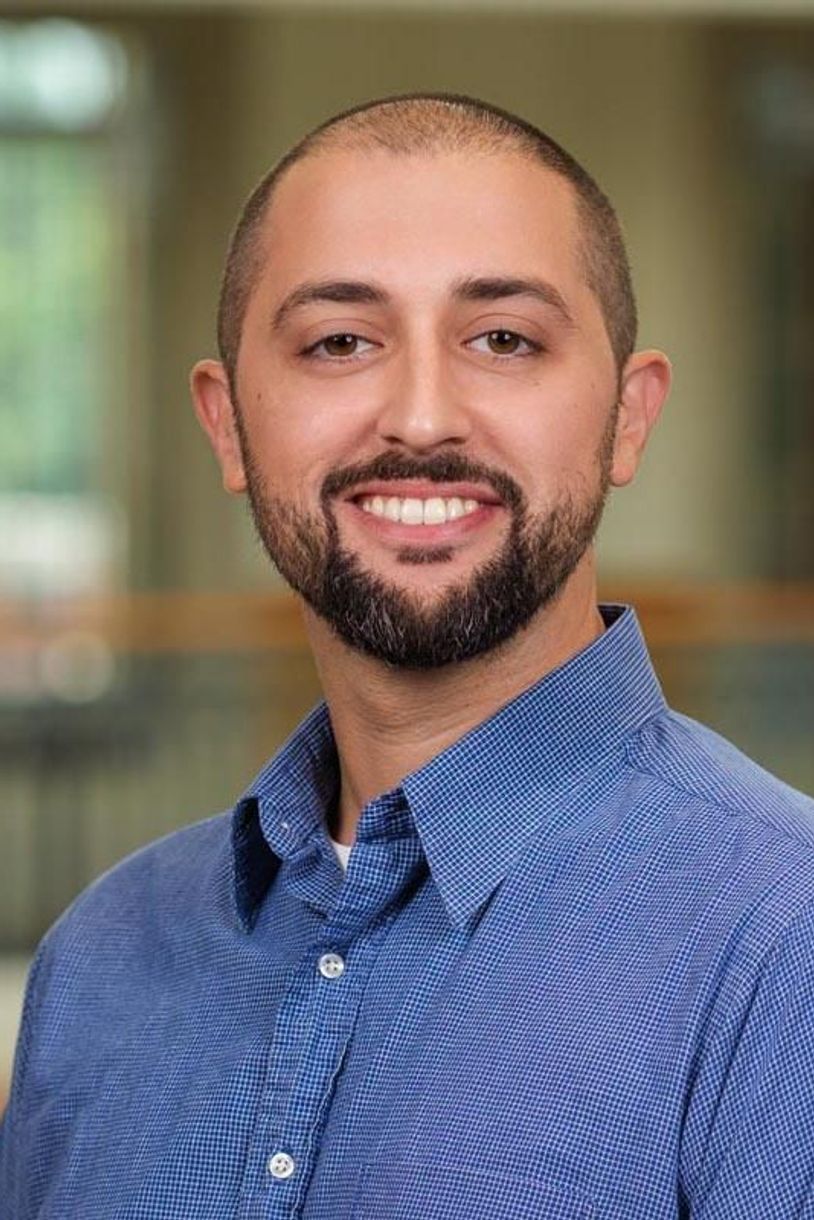
Matt Hands, Ph.D.
Preparing future teachers for classrooms where AI is already present.
-
-
Health and Natural Sciences
-

Melissa Smith, Ph.D.
Ethical limits of AI in clinical training and client care.
-
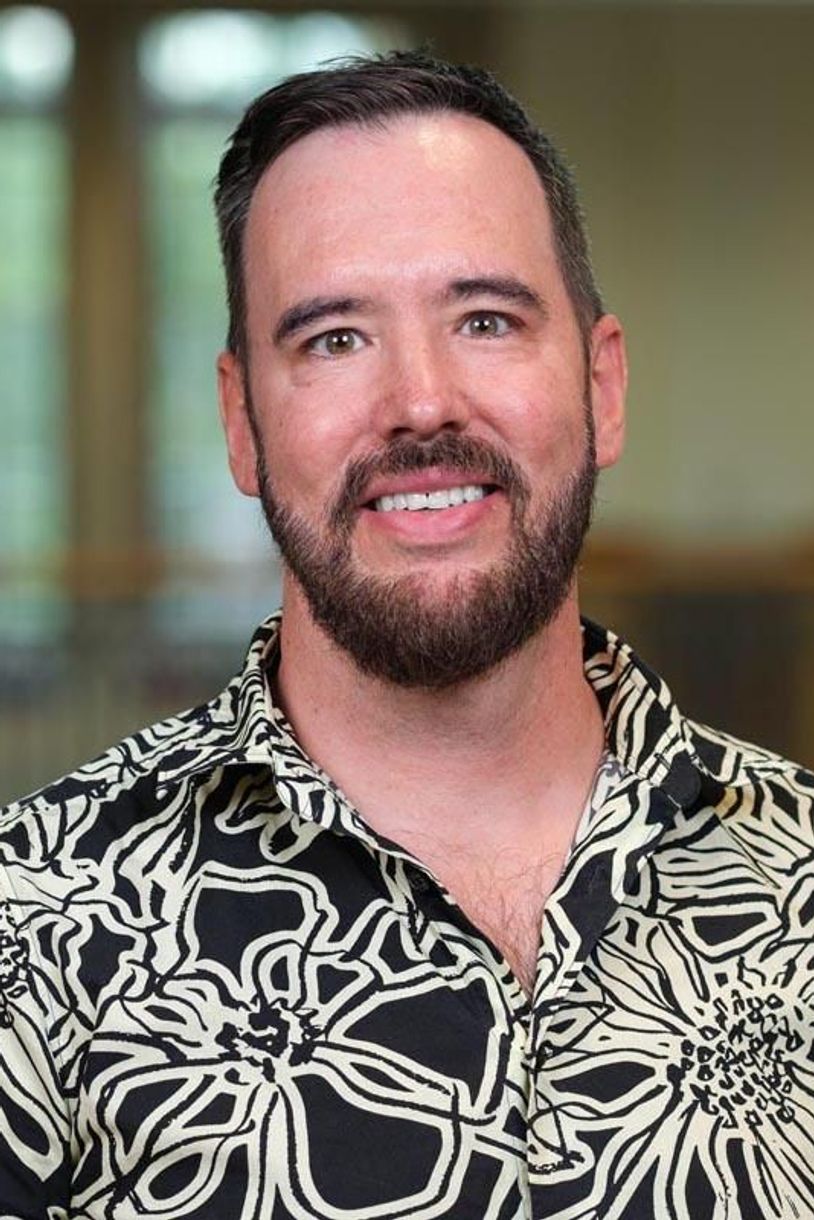
James Watling, Ph.D.
Using AI in data analysis while keeping scientific reasoning intact.
-
-
Humanities and Communication
-

Tom Pace, Ph.D.
Authorship, drafting and the writing process in an age of generation.
-

Yunmi Choi, Ph.D.
Media literacy and the circulation of AI-generated content.
-
-
Academic Support
-
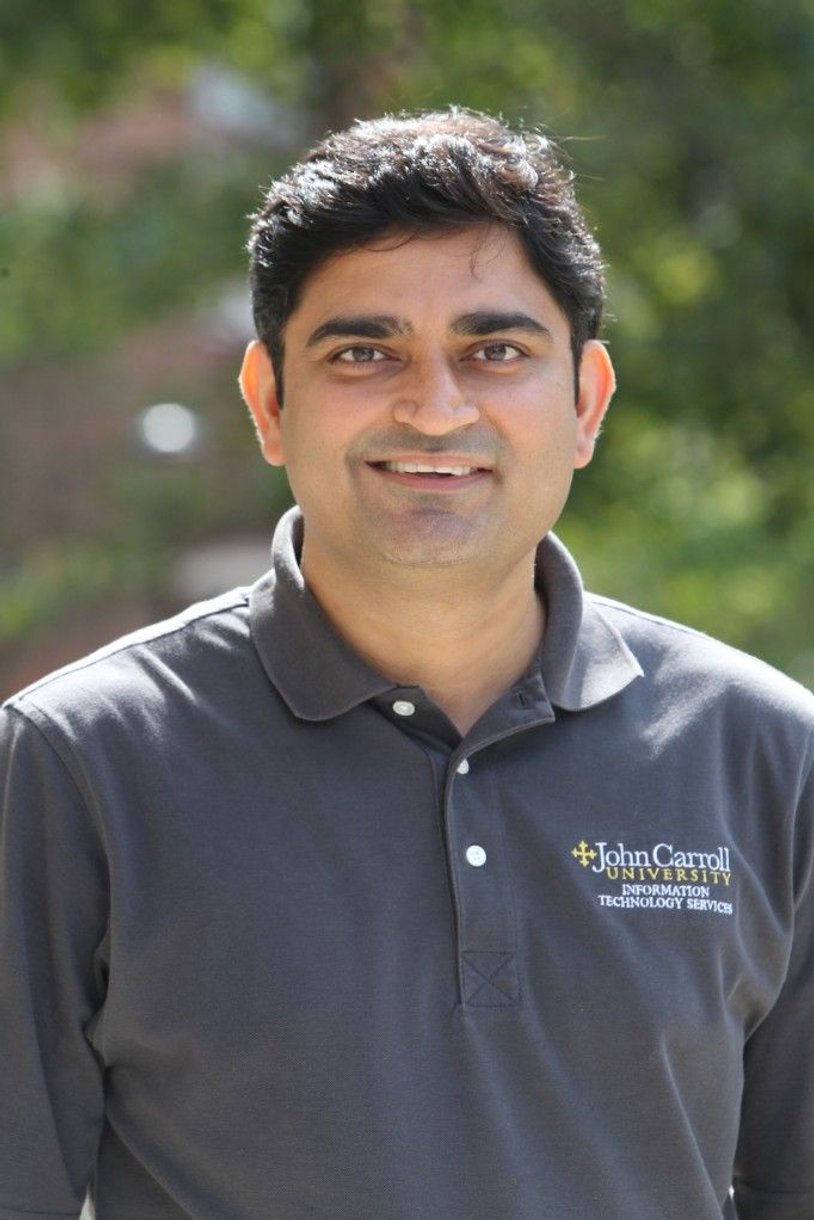
Chetan Kapoor
Tool access, guidance and hands-on learning.
-

Megan Connor
Supporting students writing with, and about, AI.
-
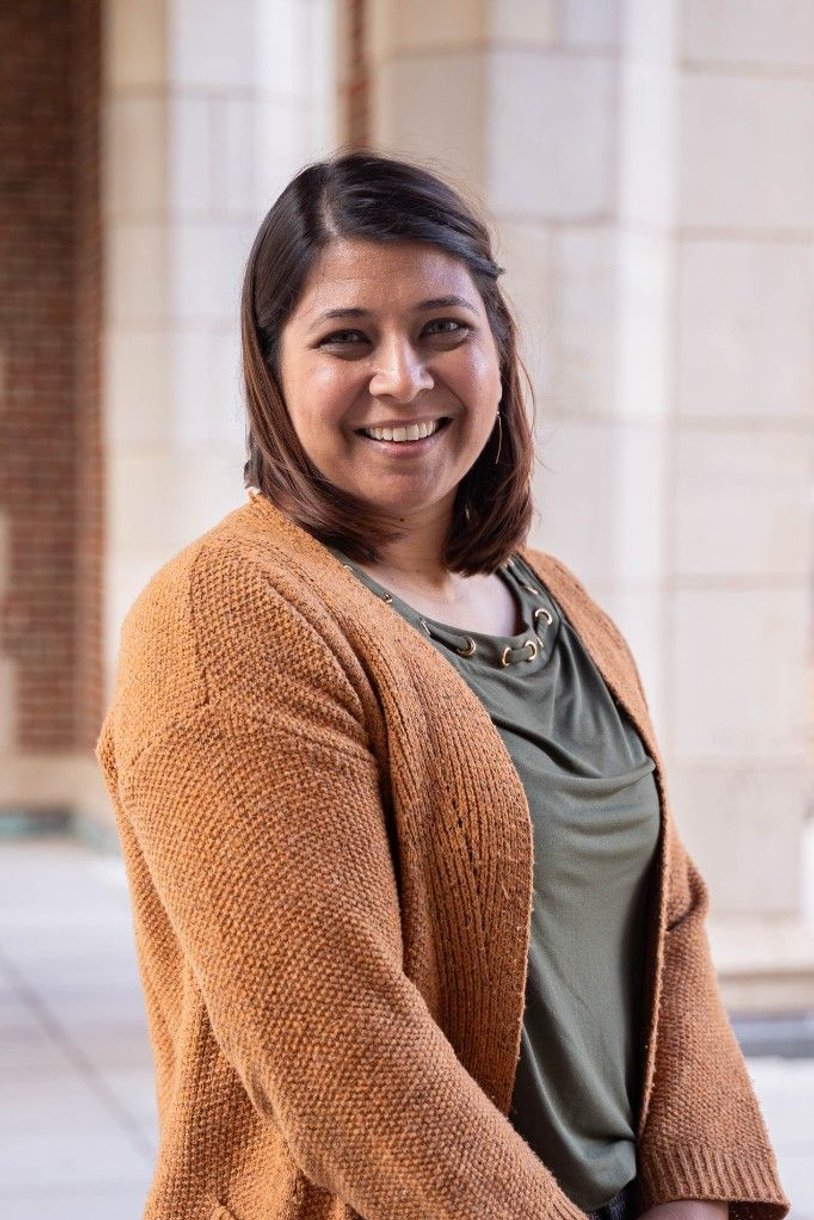
Melody Steiner
AI within information literacy and source evaluation.
-

Academic Affairs
Provost
Bonnie Gunzenhauser, Ph.D.
Provost and Vice President of Academic Affairs
She leads academic strategy, faculty affairs, and academic support units. John Carroll’s work on teaching and learning with artificial intelligence sits in Academic Affairs, alongside Faculty AI Fellows, staff thought partners, and Teaching Innovation + Enrichment.

Teaching Innovation + Enrichment
Teaching Innovation + Enrichment
Malia McAndrew, Ph.D.
Director of Teaching Innovation + Enrichment · Professor of History
She coordinates the University’s academic AI work. The effort brings together Faculty AI Fellows and partners across Information Technology Services, Grasselli Library, the Writing and Communication Center, First-Year Writing and Speaking, and academic programs to strengthen teaching and student learning.
Evidence in progress
Documenting How AI Integration Works in Practice
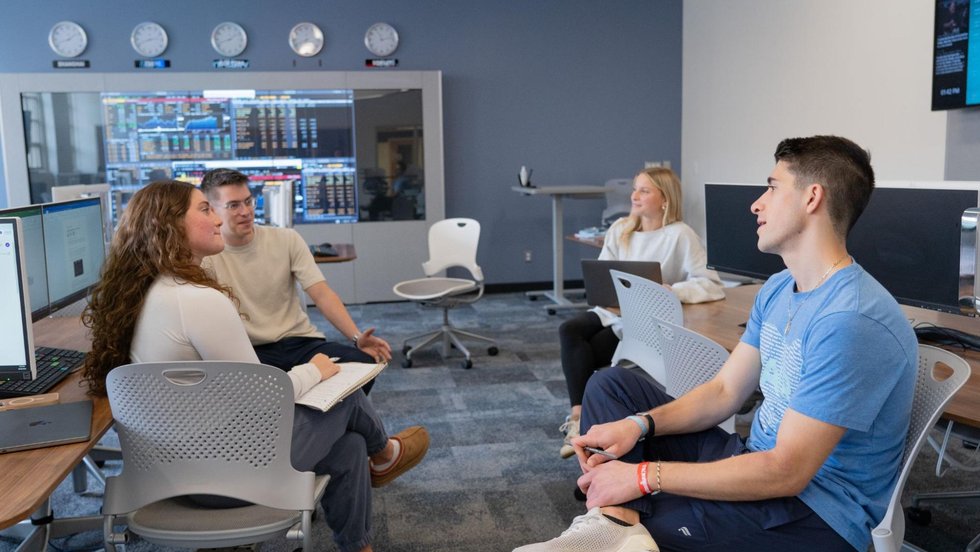
Mark Sheldon’s Emerging Technologies in Accounting course is serving as the pilot for documenting how faculty-led integration is informed, layered and assessed.
Program learning outcomes and assessment
Departments are identifying where AI-related learning outcomes will be assessed and what methods will demonstrate student learning.
Time to Tinker
Faculty AI Fellows and ITS host informal sessions where students, faculty and staff can experiment with AI and learn alongside one another.
Student voice
Faculty are gathering student perspectives on the AI skills they want and need, and concerns about how AI is used in teaching and assessment.
Industry and external feedback
JCU is connecting with employers, Jesuit peers and higher-education partners to bring relevant insights back into academic programs.
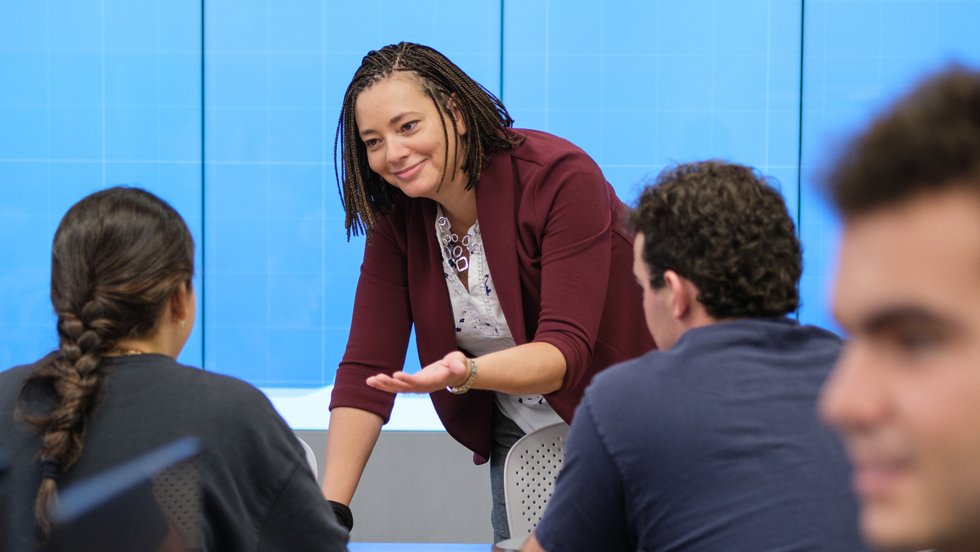
AI programming at JCU
These are internal myJCU listings for the campus community. See these in myJCU for dates, locations, and registration.
Oct08
Time to Tinker
Drop-in session · Students, faculty and staff
Oct22
Community Conversation on AI@JCU
Open campus conversation
Nov12
Teaching Showcase & Social
Faculty programming

AI in the classroom
Emerging Technologies in Accounting
Students use generative AI and other emerging technologies to understand how they work, evaluate their implications for accounting, and design practical applications. The course combines discussion, case studies, AI-supported preparation, and student pitches.